INTRODUCTION
What actually makes something strong? I first started wondering about that while building my rocket. You can run every calculation you want, but in the end it either holds together when the motor lights or it doesn’t, and that usually comes down to what you built it out of. Ever since, I can’t drive under an overpass on MoPac without wondering why it stays up.
This school year I finally get to start finding out. I’m starting an internship in the concrete lab at Texas Materials, working there alongside my classes all year. I’m also turning it into a series, and this is the first post: the “before” picture of what I know going in, what I read to prepare, and where I’m headed. Fair warning, y’all, I don’t have the answers yet. That’s kind of the point.
Strength Starts with the Recipe
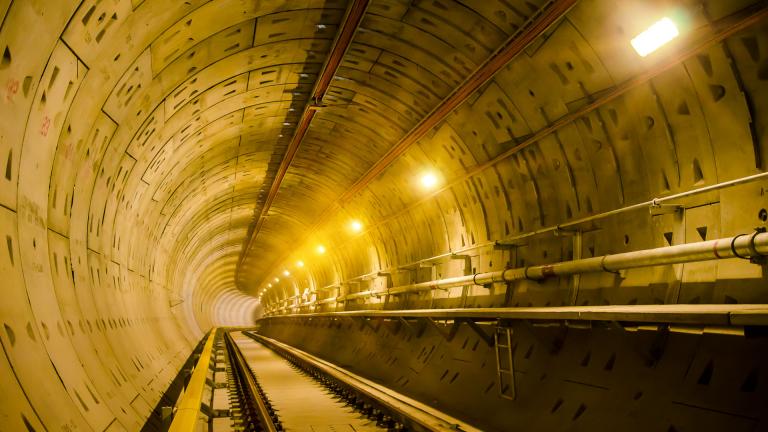
Here’s the thing I keep coming back to: a project is only as strong as what it’s made of, and for most of what we build, that’s concrete. It’s the most-used construction material on the planet, and second only to water as the most-consumed substance overall. Out of everything humans use, only water beats it.
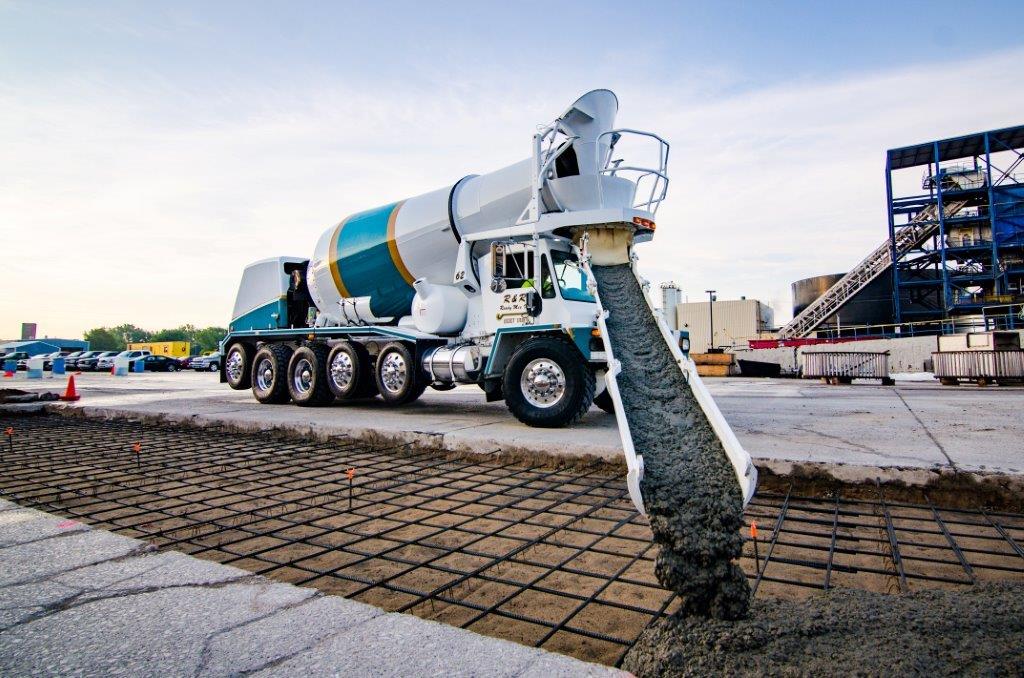
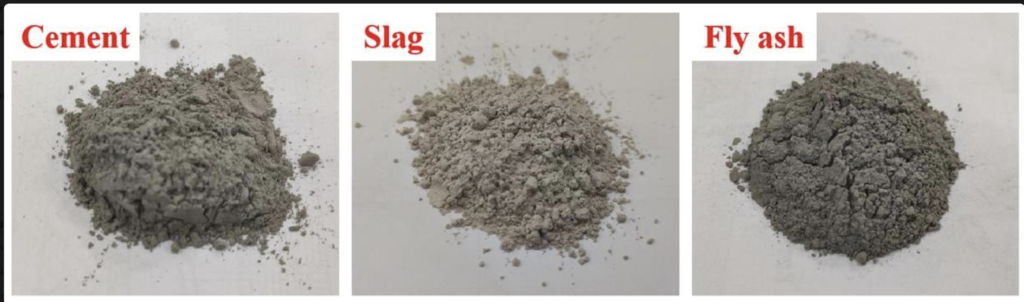
If you read my last post, you know I’m going to call this a recipe too. Mix design is figuring out the right proportions of cementitious materials, water, sand, and stone to get the strength, workability, and durability a project needs. “Cementitious” just means anything that acts like glue once water hits it. Portland cement is the main one, but many mixes also use slag, leftover from the blast furnaces that make iron for steel, and fly ash, fine ash captured from the exhaust of coal-fired power plants. So part of mix design is turning other industries’ leftovers into bridges, and they aren’t just filler: both make the finished concrete denser and less permeable.
Then there’s water. Less water generally means stronger, more durable concrete, but it’s harder to place. Too wet and it’s weak; too dry and the crew can’t work with it. Every choice is a trade-off.
Doing My Homework
To prepare, I read a 2024 Cogent Engineering study by Mussey and his colleagues, where researchers in Ghana tested sand and stone from several different sources to see how each one changed the concrete made from it.
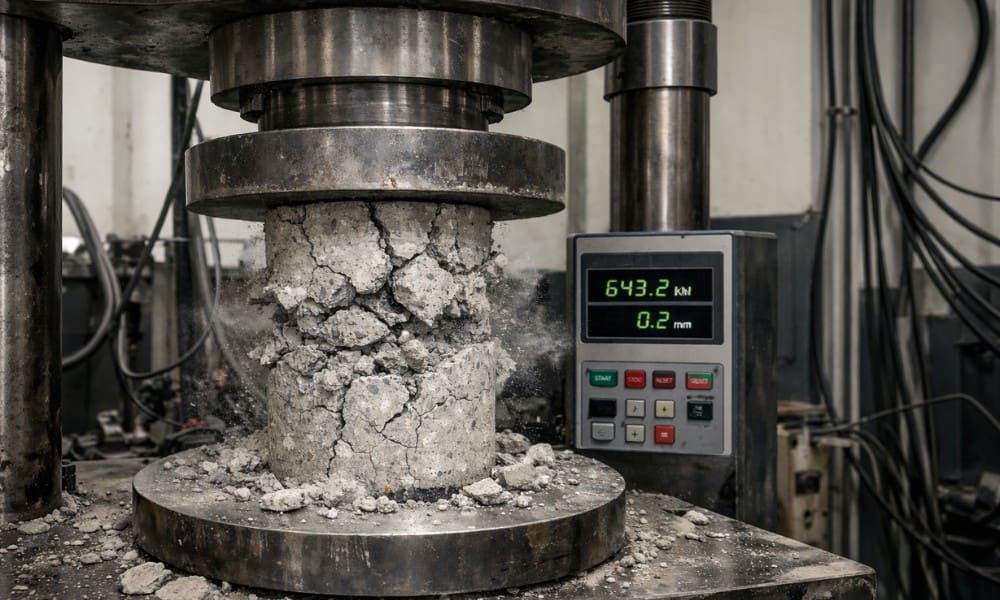
Two findings stuck with me. First, denser aggregates made denser concrete, and denser concrete had higher compressive strength, which is basically how much squeezing it can take before it crushes. Second, the chloride content of the sand varied depending on where it came from. That matters because chloride corrodes the steel rebar inside concrete, so the wrong sand can shorten a structure’s life before it’s even poured.
I went in assuming cement was the star of the show. But the authors’ main takeaway is that you have to pay attention to where your rock and sand come from. Strength doesn’t start at the batch plant. It starts in the ground.
From Rock to Structures
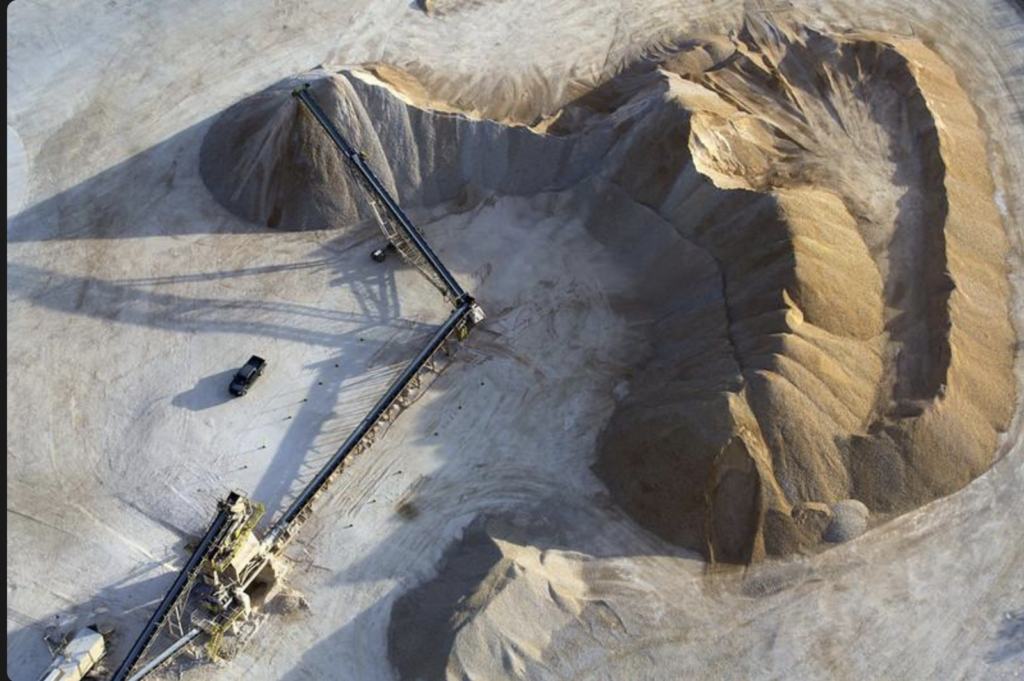
That’s pretty much the plan for my year: follow concrete from beginning to end. It starts with the rock, at the quarry and the sand and gravel pit, where aggregate gets crushed, washed, and sorted by size. Next is the binder, at the cement plant and a fly ash site. Then it’s back to the lab, where mixes get designed, poured into test cylinders, and eventually crushed to see if they hold up.
The last stop is the job sites, and that’s the part I’m most curious about. A driveway, a highway, and a bridge deck all need to be “strong,” but not the same kind of strong. A driveway handles a couple of cars. A highway takes thousands of trucks a day for decades. A bridge deck gets traffic, weather, and water all at once, which is why its mix often includes silica fume, an extremely fine powder that makes concrete much harder for water and chemicals to get into. Same basic ingredients, completely different recipes.
I’m also still a full-time student, so this year is going to be a balancing act. But stuff from class that used to feel like it only existed for the exam suddenly has a real use. It’s a lot easier to care about a formula when someone is going to drive over the answer.
The Part Nobody Sees
My paving internship taught me that the best work is the stuff nobody notices, and concrete might be even more that way. Nobody crosses a bridge wondering what sand went into the deck, but every single person depends on someone getting it right.
Take the Congress Avenue Bridge. Most people know it for the 750,000 to 1.5 million bats living underneath it. But it’s also a concrete arch bridge that opened in 1910, still carrying downtown traffic more than a century later. Someone back then picked the rock, sand, and cement for it without any of the tools we have now, and it’s still standing. Now when I watch the bats come out, I’m half looking at the bridge.
CONCLUSION
So, where does strength actually come from? Honestly, I don’t fully know yet. I know it’s not just the cement, and that the sand matters more than I ever would have guessed. Past that, I’ve got a lot of questions and a whole school year to answer them.
Over the next few months I’ll be writing a post from each stop along the way: the quarry, the sand and gravel pit, the cement plant, the fly ash site, the lab, and the job sites. I’ll share what I see, what surprises me, and probably a few things I get wrong. My rocket taught me that strength comes from what you build with. Now I get to find out where that starts.
Sources
- Mussey, B. K., Damoah, L. N. W., Akoto, R. N. A., and Bensah, Y. D. (2024). Optimization of concrete mix design for enhanced performance and durability: integrating chemical and physical properties of aggregates. Cogent Engineering, 11(1), 2347370. (open abstract on DOAJ)
- CivilEngineerDK. Concrete Mix Design Principle.
- Sutter, L. L. (2016). Supplementary Cementitious Materials: Best Practices for Concrete Pavements, FHWA-HIF-16-001. Federal Highway Administration.
- CPI Worldwide. New Developments in Concrete Technology.
- Bridges and Tunnels. Congress Avenue Bridge.