How Civil Engineering Builds the Fast-Paced Races of Today
Earlier this year, I had the privilege of attending the Formula One race at Circuit of the Americas here in Austin, and it got me thinking: how does a field as exotic as civil engineering take part in one of the most exotic sports on the planet? I did some research, and it turns out it’s much more than I thought. I figured that most people wouldn’t know the true impact of civil engineers, just like I hadn’t, so it was the perfect first blog post. In most cases, the creation of the high-speed, high-adrenaline tracks we see today involves an extreme amount of civil engineering. When building racecar tracks, engineers must take into account road alignment, water runoff areas, track width, safety features, weather, and more. All of these rules are set by the FIA or the FIM, depending on the racing series, and must be followed by civil engineers to build a usable circuit. The intense regulations make it seem impossible to make an even somewhat valid circuit, but civil engineers can bring these images to life in a way no one else could.
A Deep Dive into FIA and FIM Regulations
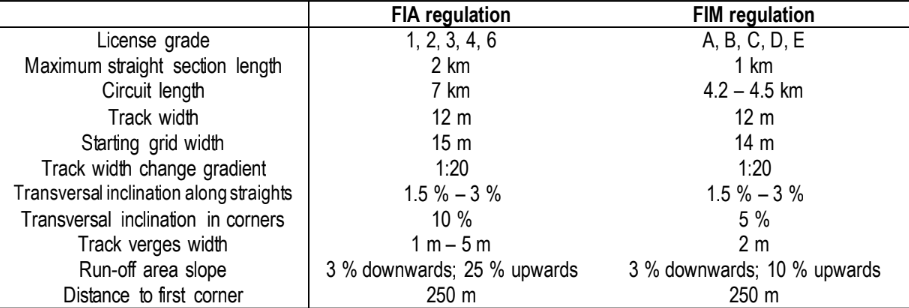
FIA and FIM regulations provide essential guidelines for designing safe and competitive racing circuits. These rules specify key elements such as track width, maximum straight lengths, curve design, and required safety features, such as run-off areas and barriers. When designing a track, engineers must ensure the layout meets FIA homologation standards to host official international events. The regulations also influence geometric aspects such as slopes and surface conditions to maintain vehicle stability and proper drainage. Overall, FIA standards ensure that a racing circuit balances high performance with strict safety requirements for drivers, teams, and spectators. Below are the FIA and FIM regulations used for the creation of every single road track ever driven on.
How does civil engineering influence the “Racing Line”
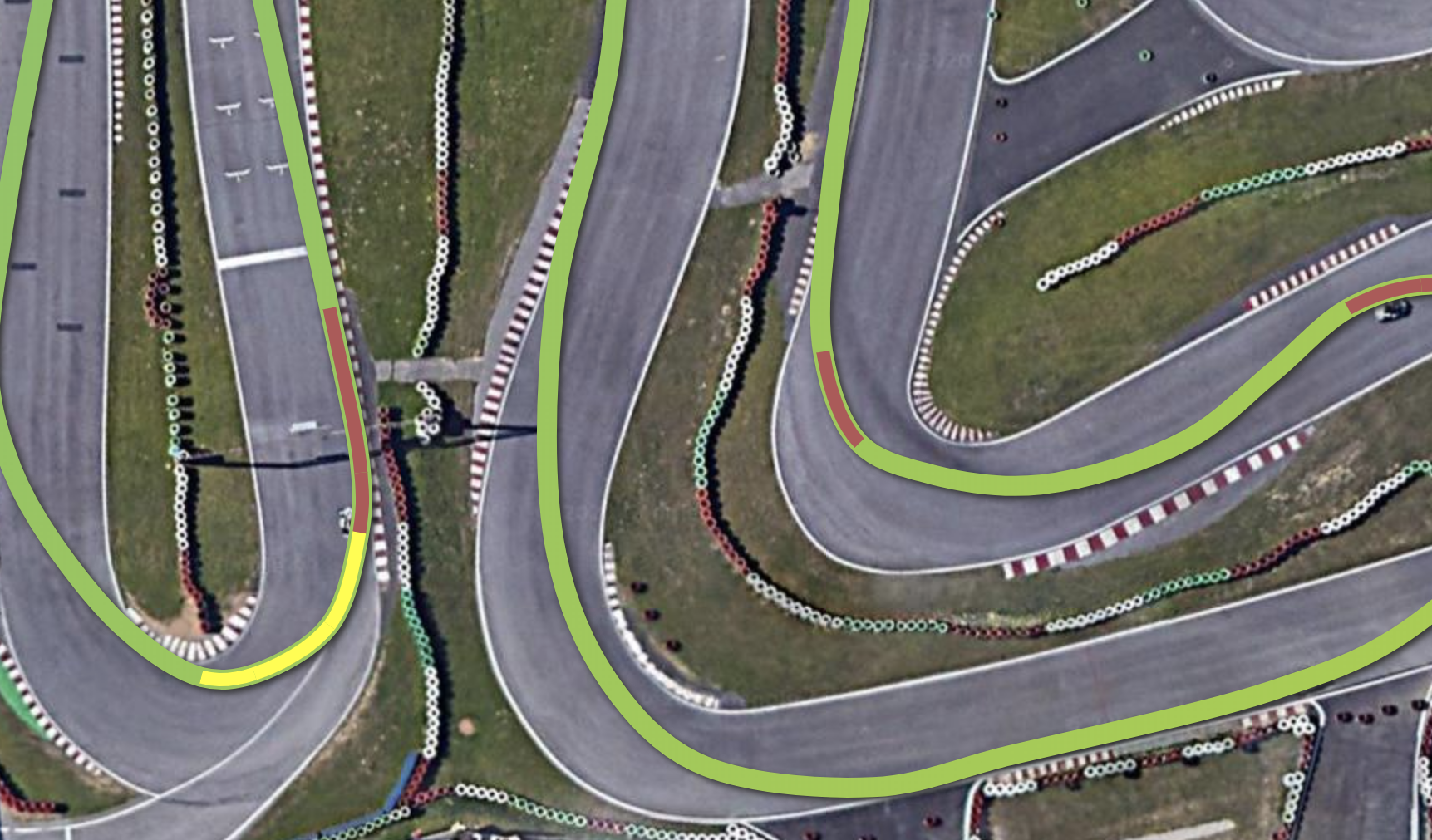
In all forms of racing, there is a term known as the “racing line” that defines the path a driver should take in order to complete any given circuit in the fastest time possible. The racing line will differ between every circuit because of the extremely different layout of each circuit. Civil engineering has a direct impact on this concept of racing because of how the track’s geometry allows drivers to carry speed through straights and corners. Factors such as track width, radius of turns, banking, and surface type all have a major influence on how quickly cars can enter or exit a corner and can even change the racing line entirely.
Conclusion
Civil engineering as a whole contributes more to the design and contruction of racecar circuits than any other field does. Any minute change made by a civil engineer can make a huge difference in how a track is seen or driven, and can even be the deciding factor between whether a track is allowed to be raced on or not. Most people believe that the art of building racecar tracks is a simple process of drawing squiggly lines on paper and then paving them onto the ground, but I, and now you, know that the extremely detailed and difficult work of civil engineers is what brings the design to the real world. I hope my first blog post has been entertaining for everyone. I can’t wait to write another soon!