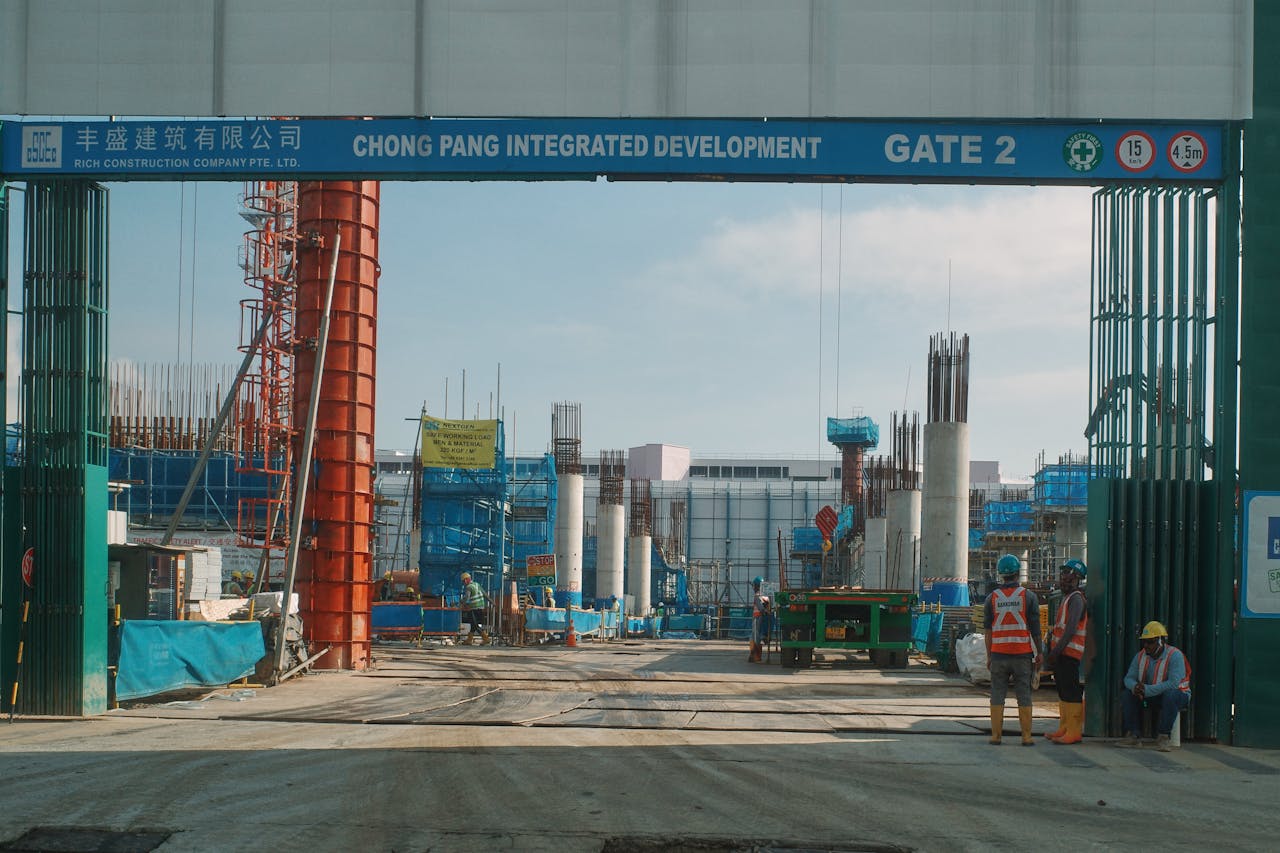
As I went through the process of creating this blog site, I realized that civil engineering is a much lesser-known field of engineering compared to other specialties, such as mechanical and aerospace engineering. In realizing this, I thought it might be a good idea to write my first blog post as an introduction for my readers to what civil engineering is all about and why it plays a pivotal role in modern society. That way, people who may know little about the subject can go into my more in-depth posts with some baseline knowledge on the subjects I’m writing about. Hopefully this post can do just that and work as a jumping-off point for those like me that ant to learn more about civil engineering.
The Concrete facts about civil engineering
Civil engineering is the branch of engineering that focuses on designing, building, and maintaining infrastructure that supports society. Civil engineers design and build structures and systems such as roads, bridges, buildings, dams, airports, and water supply networks. They use mathematics, physics, and environmental science to ensure structures are safe, durable, and efficient. The field includes specialties such as structural, transportation, environmental, geotechnical, and water resources engineering. Civil engineers must consider factors like cost, sustainability, public safety, and environmental impact when developing projects. They often work with architects, construction teams, and government agencies to complete large-scale projects. Modern civil engineering also uses advanced technology such as computer-aided design and structural analysis software. Overall, civil engineering plays a major role in improving the quality of life by creating and maintaining the infrastructure people rely on every day. However, civil engineering doesn’t always focus on seemingly dull subjects like bridges and roads. Civil engineers also take part in the creation of some of the most exciting facets in the modern world, like racecar tracks and roller coasters. In my future posts, I intend to shed light on the lesser-known roles of civil engineers and the more well-known roles they take in our world.
What Makes Civil Engineering so Important?
Civil engineering is important because it provides the infrastructure that communities and economies cannot function without. Civil engineers design and maintain roads, bridges, buildings, water systems, and transportation networks that people use every day. Their work helps ensure public safety by creating structures that can withstand heavy use, time, and severe environmental conditions. Civil engineers also impact fields outside of infrastructure, improving public health through clean water systems, waste management, and pollution control. Civil engineers can also stimulate economic growth by developing efficient transportation and construction projects that connect businesses and communities. Finally, they play a key role in sustainability by designing environmentally responsible and energy-efficient infrastructure. Overall, civil engineering improves the quality of life by creating safe, reliable, and sustainable systems for society.
Conclusion
Civil engineering is a vital but often underappreciated field that shapes nearly every part of modern life. From essential infrastructure like roads, bridges, water systems, and buildings to more unique projects such as racecar tracks and roller coasters, civil engineers play a role in both everyday necessities and innovative designs. Their work ensures that communities are safe, connected, and able to function efficiently through reliable and sustainable systems. Civil engineering also supports public health, economic growth, and environmental responsibility through careful planning and design. As this blog continues, it will explore both the well-known and lesser-known contributions of civil engineers to give readers a deeper understanding of the field.